
2026-08-31 · John Smith
What To Do After Flash Flooding Near Tempe Town Lake
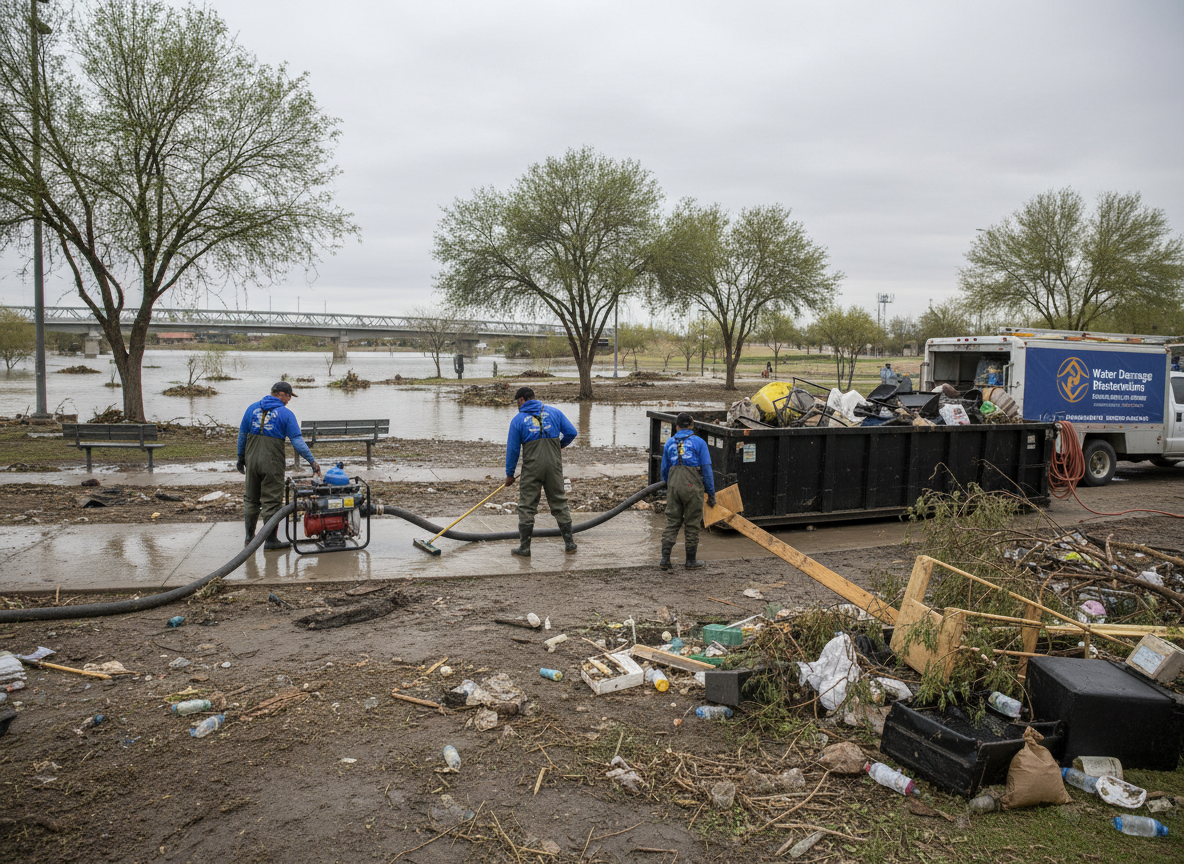
After flash flooding near Tempe Town Lake, secure power at the main breaker, avoid all standing water, and contact a restoration team for emergency water damage restoration before the next 24 hours pass in Tempe's hot desert climate.
Secure the Property and Address Immediate Hazards
Tempe's monsoon-driven flash floods can push water from Tempe Town Lake into basements and ground-level rooms along Mill Avenue and in Downtown Tempe. Shut off electricity and gas at the main panel first, then move valuables to higher ground. Document every wet surface with photos before any cleanup begins. Homes built before 1980 in this area often have slab foundations that trap moisture beneath tile, so note any soft spots in flooring. Nearby Phoenix and Mesa residents face the same rapid runoff patterns when Papago Park drainage channels overflow. Wear rubber boots and gloves because floodwater carries sediment from the Salt River bed. If sewage lines back up, leave the building until professionals arrive.
Remove Standing Water and Begin Extraction
Standing water in South Tempe garages and yards evaporates quickly under 100-degree summer heat but leaves behind silt that damages drywall and carpet padding. Use a wet vac or submersible pump rated for 1,000 gallons per hour to lower levels below one inch, then extract remaining moisture from carpets and baseboards. In Maricopa County, floodwater often contains salts that accelerate corrosion on metal studs and HVAC components. Homeowners near Arizona State University should check crawl spaces under 1950s-era houses where moisture lingers longest. Professional flood damage cleanup crews bring truck-mounted extractors that pull water from beneath slab edges where homeowner equipment cannot reach.
Dry the Structure Thoroughly
Once visible water is gone, run commercial air movers and dehumidifiers for 48–72 hours to bring interior humidity below 50 percent. Tempe's low desert humidity helps, yet hidden pockets behind cabinets in University Heights and Holdeman homes can stay damp for weeks. Place moisture meters inside wall cavities at 12-inch intervals to confirm readings drop below 15 percent. Open windows only when outside air is drier than indoor air, which is rare during July and August monsoons. Link to the guide on how residents handle post-storm drying for specific equipment placement tips.
Watch for Hidden Damage and Mold Growth
Mold colonies can appear within 48 hours on wet drywall in Chandler and Mesa border homes. Check behind baseboards and under sinks in kitchens built in the 1970s along Baseline Road. Discoloration, musty odors, or bubbling paint signal trapped moisture that requires demolition rather than surface cleaning. The cost guide for flood damage cleanup in Tempe lists typical ranges for drywall removal and antimicrobial treatment. Schedule a follow-up inspection seven days after initial drying to catch any rebound moisture from the slab.
Contact Local Restoration Help
Tempe Restoration Solutions operates from 1222 E Baseline Rd, Tempe, AZ 85283 with hours Monday through Friday 8am–6pm and Saturday 9am–2pm. Crews familiar with Maricopa County flash-flood patterns can arrive the same day to handle extraction and structural drying. Reach out before additional rain events compound the damage.